Drug treatment nyc
You can find drug treatment in NYC that fits your life. There are 192 SAMHSA-listed facilities across the five boroughs, from detox to outpatient. The free helpline is open 24/7 and confidential.
When you call the helpline
Trained treatment advisors staff this helpline; it is not a call center. They will ask what substances you use, how your health is, what insurance you have, and what kind of help you are seeking. Advisors ask about insurance and location to match New York City drug rehab options to you. A you May call confidentially at no charge. If treatment feels unclear, a call can help you sort through your choices. Feel free to ask about detox, rehab, outpatient programs, and how payment works. The line runs 24/7. You can stay anonymous during the call if that feels better. Advisors work with licensed providers and can share information about SAMHSA-listed facilities. They cannot diagnose you or promise admission, but they can help with the next step.

Paying for drug treatment in NYC
At 181 SAMHSA-listed facilities in New York City, Medicaid pays for drug treatment, and New York has adopted Medicaid expansion. That means more residents qualify for coverage. Private insurance is accepted at 165 facilities, and Medicare at 131. Medicaid accepted at 181 New York City facilities makes treatment accessible for many residents. For people without insurance, 100 facilities offer sliding-fee scales, 50 offer financial assistance, and 98 receive block grant funding. One facility provides free care. Sliding-fee scales at 100 New York City rehabs adjust costs based on your income. Parity rules compel most health plans to cover mental health and addiction treatment similarly to medical care. If you have private insurance, check your plan's behavioral health benefits. Advisors on the helpline can help you understand your choices when you call, but they cannot guarantee coverage or admission.
- take Medicaid
- 181
- use private health insurance
- 165
- take Medicare
- 131
- have a sliding-scale option
- 100
Commonly chosen programs near New York City
-
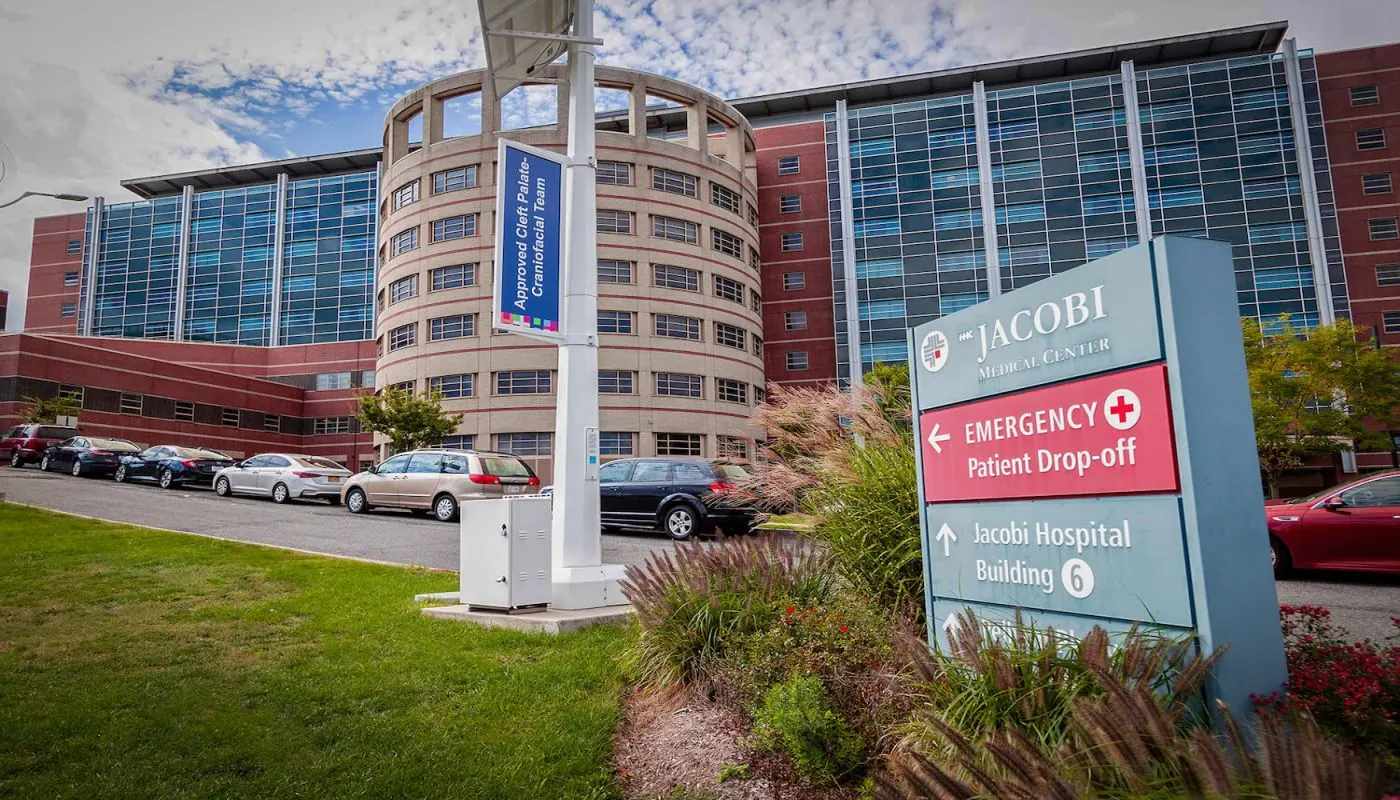
BronxNY
NYC Health + Hospitals
4.1/519 Google reviews
Typical stay 5 days
NYC Health + Hospitals Bronx provides detox and outpatient care for mental health and substance use issues.
- Detox
- Outpatient
Joint Commission accreditation View center
-
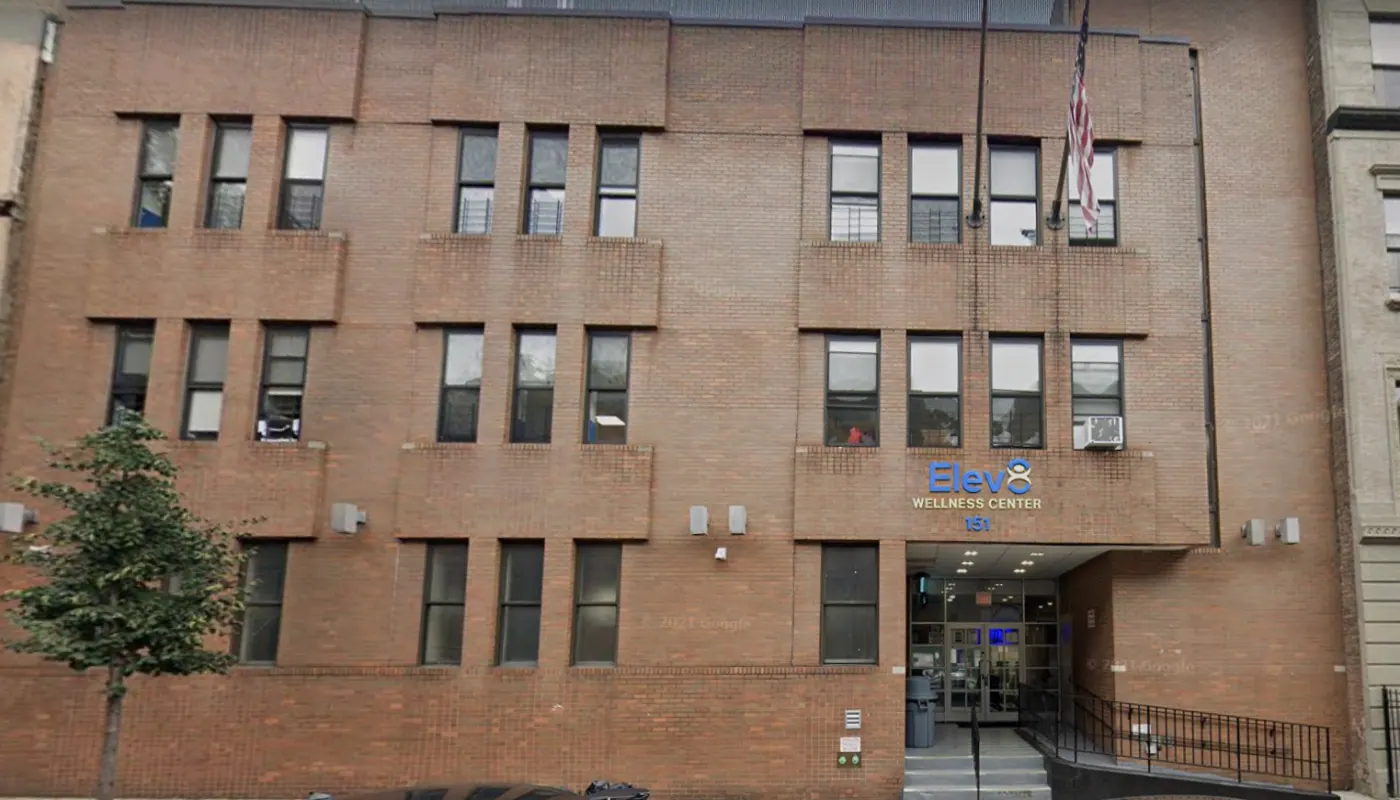
New YorkNY
Elev8 Centers of New York
4.6/5109 Google reviews
Typical stay 30 days
Elev8 Centers of New York is a detox and residential program in Manhattan.
- Residential Rehab
- Detox
-
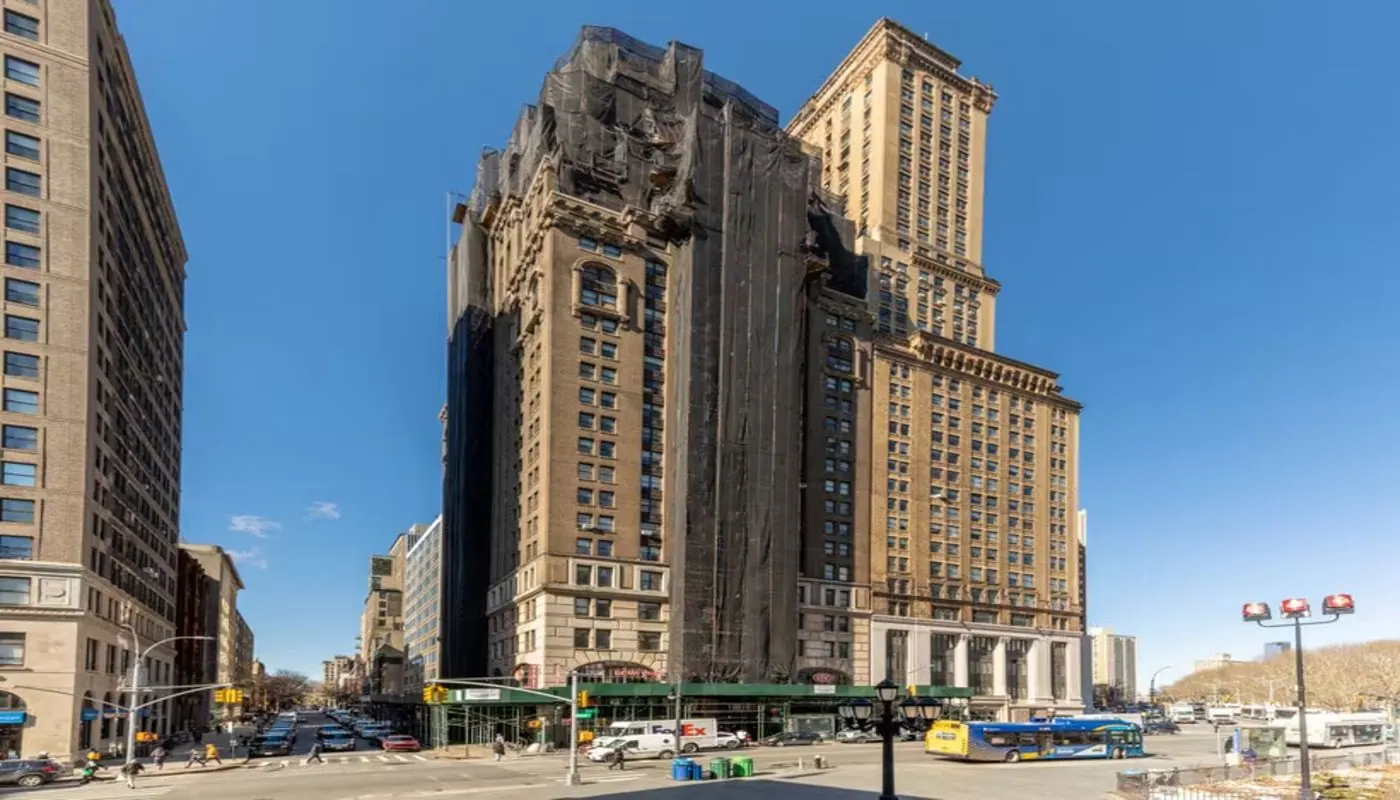
BrooklynNY
Ember Health
5.0/55 Google reviews
Typical stay 90 days
Ember Health Brooklyn is a rehab center in New York City that focuses on depression.
-

New YorkNY
William Alanson White Institute
4.2/59 Google reviews
Typical stay 30 day
On the Upper West Side, William Alanson White Institute Clinical New York provides outpatient therapy.
- Co-Occurring Mental Health
- Outpatient
-
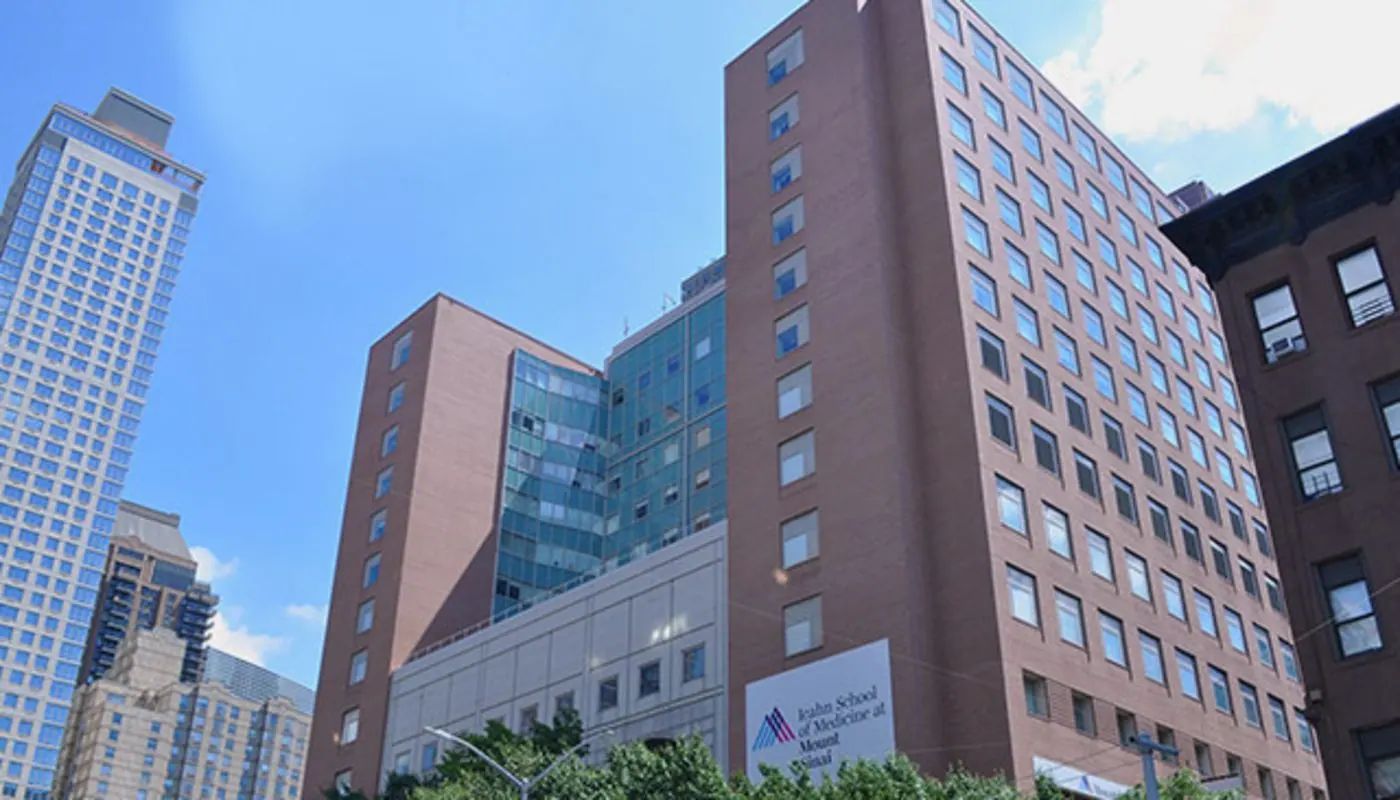
New YorkNY
Addiction Institute at Mt Sinai West
3.1/520 Google reviews
Typical stay 7 days
This page covers the Addiction Institute at Mt Sinai West Inpatient Detoxification Unit on 10th Avenue.
- Residential Rehab
- Detox
- Outpatient
Joint Commission accreditation View center
-
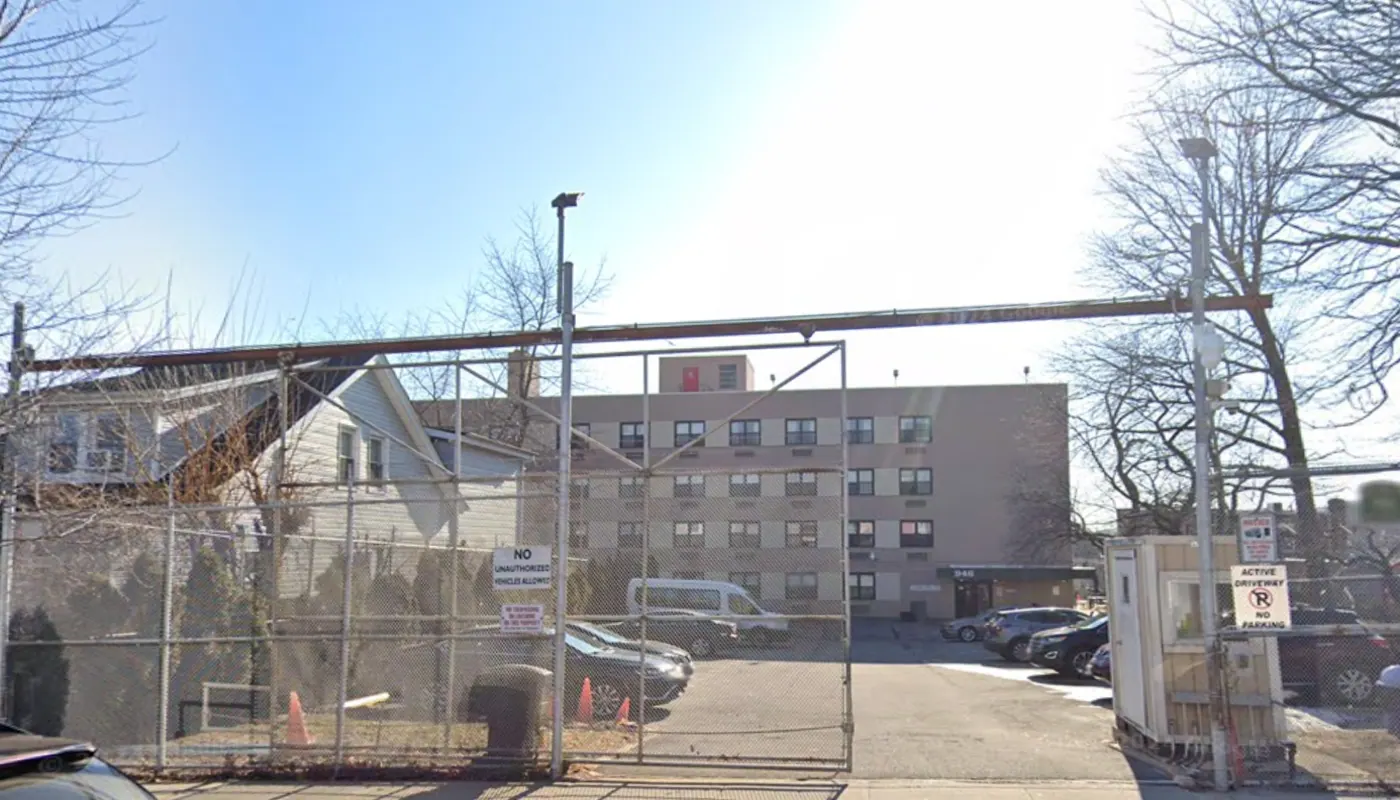
BronxNY
Camelot
Typical stay 30 days
Camelot - Williamsbridge Family Inn Bronx is an outpatient program on East 211th Street.
- Outpatient
Drug treatment in NYC
Alcohol is the most common substance addressed in treatment, with 41 detox facilities equipped to manage withdrawal. Medications for alcohol use disorder are offered at 137 facilities. Alcohol detox at 41 New York City facilities provides medical supervision for withdrawal. Opioids, including fentanyl and heroin, are addressed at 45 detox facilities. Buprenorphine is available at 165 facilities, methadone at 38, and naltrexone at 149. Buprenorphine at 165 New York City programs helps reduce cravings and withdrawal. Cocaine and methamphetamine are also treated; 26 detox facilities handle cocaine, and 24 handle meth. Cocaine detox at 26 New York City centers addresses the physical aspects of stopping. If you are struggling with benzodiazepines, 36 detox facilities can help. Treatment for co-occurring disorders is available at facilities that offer dual diagnosis care.

Levels of drug treatment in NYC
Across New York City, 192 SAMHSA-listed facilities provide drug treatment; 49 of them offer medical detox, and 151 provide outpatient care. The right level depends on the structure you need, your health, and where you live. Medical detox at 49 New York City facilities provides 24/7 monitoring for withdrawal risks. Withdrawal can be dangerous when someone drinks heavily or uses benzodiazepines, so a medical team should watch over it. Inpatient and residential rehab exist at 37 facilities for people who need a stable, substance-free place to stay. Residential rehab at 37 New York City programs offers room and board with clinical support. For people able to remain at home, intensive outpatient (IOP) at 66 facilities means several hours of therapy each week. Intensive outpatient programs at 66 New York City sites let you keep working or caring for family. Partial hospitalization at 8 facilities sits in between. Outpatient rehab at 151 facilities covers individual and group counseling. For medication treating opioid use disorder, 165 facilities offer buprenorphine, and 40 are methadone clinics (OTPs). Medication-assisted treatment at 165 New York City sites includes buprenorphine and naltrexone.

Drug treatment across the five boroughs
Manhattan has 70 facilities, Brooklyn has 52, and the Bronx has 30. Staten Island has 14, and smaller neighborhoods like Jamaica (5), Astoria (3), Elmhurst (3), and Forest Hills (3) also have options. Manhattan and Brooklyn together host 122 New York City drug rehab centers. If you want treatment close to home, the helpline can help you find programs in your borough. The distances between boroughs are manageable, so you may also consider facilities outside your immediate area for a fresh start. Outpatient programs in Brooklyn and Manhattan make weekly appointments practical. For those in the Bronx, the 10-mile trip to Manhattan may open up more intensive services.

Overdose data in New York City
In the 12 months ending May 2026, New York City recorded 1,725 overdose deaths, down 10% from the previous period. Opioids were involved in 1,160 deaths, a 16% decrease. Fentanyl deaths numbered 952, down 18%. Fentanyl was involved in 952 deaths, an 18% drop from the prior year. Heroin deaths fell to 52, a 32% decrease. Cocaine was involved in 843 deaths, down 16%, and methamphetamine in 235, down 17%. Cocaine-related deaths reached 843, highlighting the need for treatment that addresses polysubstance use. These numbers show progress, but each death is a person. Treatment works, and getting help early can save lives. If you have survived an overdose, then seeking treatment can lower your risk of another. The helpline can connect you to appropriate care.
| Drug | Past year | Prior year | Shift |
|---|---|---|---|
| Overdose deaths overall | 1,725 | 1,926 | -10% |
| All opioids together | 1,160 | 1,374 | -16% |
| Fentanyl and synthetic opioids | 952 | 1,162 | -18% |
| Heroin | 52 | 77 | -32% |
| Opioids that were prescribed | 236 | 246 | -4% |
| Methamphetamine | 235 | 282 | -17% |
| Cocaine | 843 | 1,009 | -16% |
A simple process to start drug treatment
- 1
Call the helpline
Call 24/7 to speak with a treatment advisor. They will listen and ask about your situation to understand what you need. The call is free and confidential.
- 2
Discuss your needs
The advisor will ask about your substance use, health, insurance, and location. This helps identify the right level of care, from detox to outpatient. No obligation to commit.
- 3
Get matched with programs
Based on your needs, the advisor will provide information about SAMHSA-listed facilities in New York City. You can ask about Medicaid, sliding fees, and medication options.
- 4
Contact providers
You contact the programs directly to verify insurance, schedule an assessment, and ask about availability. The helpline can guide you, but cannot guarantee admission or coverage.
Common questions
Where can I find drug treatment in NYC?
You can find drug treatment in NYC at 192 SAMHSA-listed facilities across the five boroughs. These include 49 detox programs, 37 residential rehabs, 151 outpatient programs, and 66 intensive outpatient programs. Use the free 24/7 helpline to get matched with programs that fit your needs, insurance, and location.
What are the different types of rehab?
Those options include medical detox (49 facilities), inpatient and residential rehab (37), partial hospitalization (8), intensive outpatient (66), and standard outpatient (151). Medication to treat opioid use disorder is provided at 165 facilities. The right type for you depends on your health, your living situation, and how severe your substance use is.
How long do you stay in inpatient rehab?
The length of stay in inpatient rehab varies based on your needs and progress, but many programs last 28 to 90 days. In New York City, 37 facilities offer residential rehab. Your insurance and clinical assessment will help determine the appropriate duration. The helpline can provide information about typical program lengths.
Does Medicaid cover drug treatment in NYC?
Yes, Medicaid covers drug treatment at 181 SAMHSA-listed facilities in NYC. New York has adopted Medicaid expansion, so more people qualify. Coverage includes detox, rehab, outpatient, and medications. Call the helpline to verify your eligibility and find Medicaid-accepting programs.
What are some IOP treatment centers in New York City?
There are 66 intensive outpatient (IOP) treatment centers in New York City. IOP offers several hours of therapy per week while allowing you to live at home. This level of care is suitable for people who need structure but have a stable living environment. The helpline can help you find IOP programs in your borough.
What is the current state of the drug problem in New York?
In the 12 months ending May 2026, New York City recorded 1,725 overdose deaths, a 10% decrease from the previous period. Opioids were involved in 1,160 deaths, and fentanyl in 952. Cocaine was involved in 843 deaths. Treatment is available, and the helpline can connect you to care.